
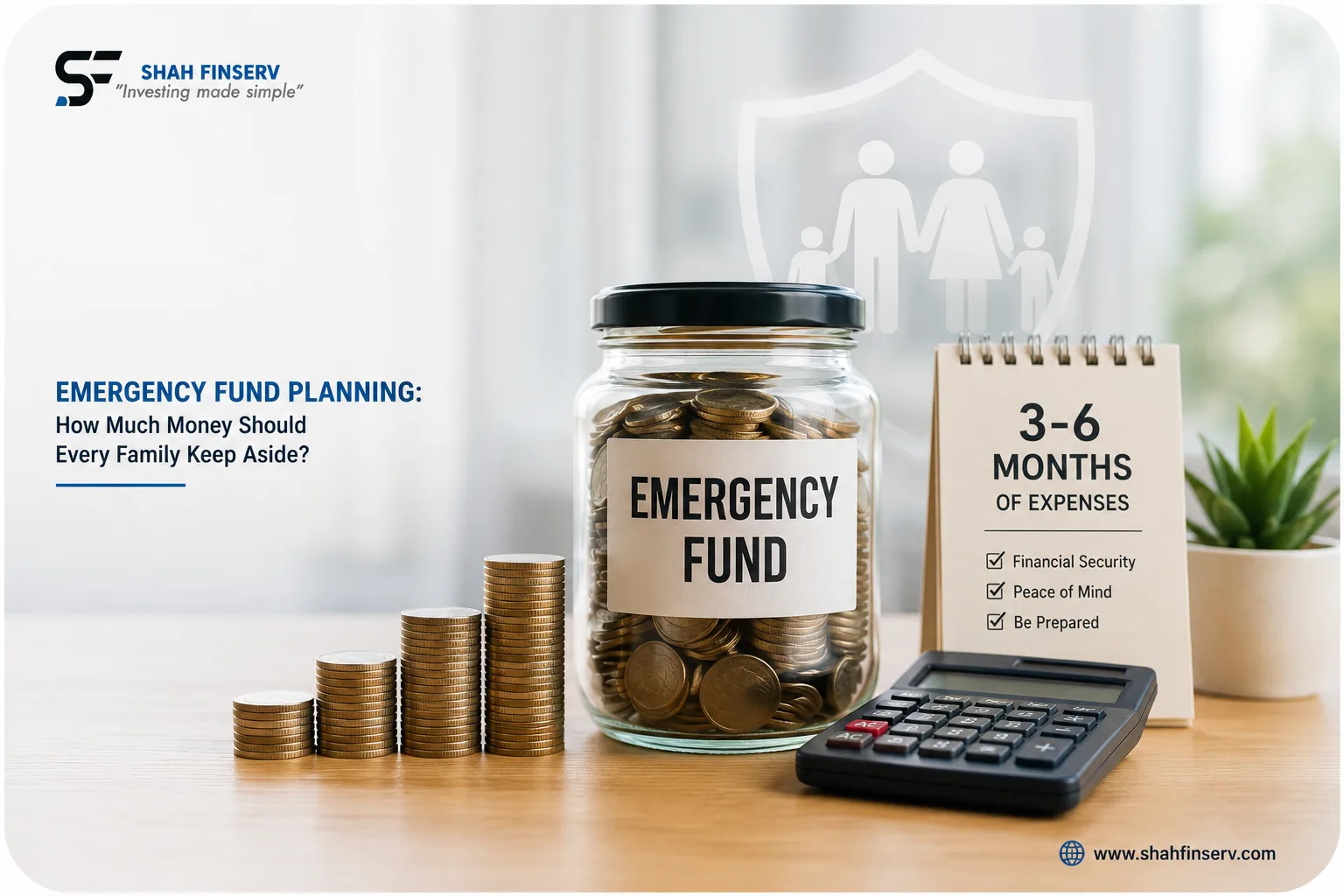
Life is unpredictable. A sudden job loss, medical emergency, major home repair, or unexpected vehicle expense can disrupt even the most carefully planned budget. Without adequate savings, many families are forced to rely on credit cards, personal loans, or other forms of debt during financial emergencies.
This is why emergency fund planning is one of the most important aspects of personal finance. An emergency fund acts as a financial safety net, helping families handle unexpected expenses without compromising their long-term financial goals.
Whether you're just starting your financial journey or looking to strengthen your family's financial security, understanding how much money to save and how to build an emergency fund can make a significant difference in your financial well-being.
What Is Emergency Fund Planning?
Emergency fund planning is the process of setting aside money specifically for unexpected financial situations such as medical emergencies, job loss, urgent repairs, or other unforeseen expenses.
Unlike regular savings, an emergency fund is intended only for genuine emergencies and should remain easily accessible when needed.
Why It Matters
A well-funded emergency account helps:
-
Reduce financial stress
-
Avoid high-interest debt
-
Maintain financial stability
-
Protect long-term investments
-
Improve overall financial confidence
How Does Emergency Fund Planning Work?
Emergency fund planning involves calculating essential monthly expenses and saving enough money to cover those expenses for a specific period.
Typical Process
-
Calculate monthly living expenses.
-
Determine the target emergency savings amount.
-
Create a monthly savings plan.
-
Store funds in a safe and accessible account.
-
Replenish the fund after use.
The goal is to create an emergency cash reserve that can support your household during unexpected financial disruptions.
How Much Emergency Fund Should I Have?
Most financial experts recommend keeping three to six months of essential living expenses in an emergency fund.
However, the ideal amount depends on your individual circumstances.
Three Months of Expenses May Be Suitable If:
-
You have stable employment.
-
Your household has multiple income sources.
-
Your monthly expenses are predictable.
Six to Twelve Months of Expenses May Be Appropriate If:
-
You are self-employed.
-
Your income fluctuates significantly.
-
You work in a volatile industry.
-
You have dependents.
-
You are the sole income earner.
Example
If your family's essential monthly expenses are ₹50,000:
-
3-month emergency fund = ₹1,50,000
-
6-month emergency fund = ₹3,00,000
-
12-month emergency fund = ₹6,00,000
This simple calculation provides a realistic emergency savings goal tailored to your financial situation.
Benefits of Emergency Fund Planning
Financial Security
A properly funded emergency account provides peace of mind during uncertain situations.
Reduced Dependence on Debt
Instead of relying on credit cards or personal loans, you can use your emergency savings to cover unexpected expenses.
Protection of Long-Term Investments
Without an emergency fund, many people are forced to liquidate investments prematurely.
Greater Financial Flexibility
Emergency savings provide flexibility when facing temporary income disruptions.
Lower Stress Levels
Financial emergencies often create emotional stress. Having a family emergency fund can help reduce anxiety and improve decision-making.
Common Situations an Emergency Fund Can Cover
Medical Emergencies
Unexpected healthcare costs are among the most common reasons people use emergency savings.
Job Loss
An emergency fund can help cover living expenses while searching for new employment.
Home Repairs
Major plumbing issues, roof damage, or appliance breakdowns can create significant expenses.
Vehicle Repairs
Unexpected repair bills can affect transportation and daily routines.
Family Emergencies
Travel expenses, caregiving responsibilities, and other urgent family situations may require immediate financial resources.
How to Build an Emergency Fund
Start Small
Many people delay saving because they believe they need a large amount immediately.
Begin with a modest target such as:
-
₹10,000
-
₹25,000
-
One month of expenses
Small milestones help build momentum.
Create a Dedicated Savings Account
Keep emergency funds separate from everyday spending accounts.
This reduces the temptation to use the money for non-emergency purchases.
Automate Savings
Set up automatic monthly transfers to your emergency fund.
Consistency is often more important than the amount saved initially.
Reduce Unnecessary Expenses
Review discretionary spending and redirect a portion toward emergency savings.
Use Windfalls Wisely
Tax refunds, bonuses, gifts, and unexpected income can help accelerate progress toward your emergency savings goal.
Where Should You Keep an Emergency Fund?
High-Yield Savings Accounts
These accounts provide:
-
Easy access
-
Capital preservation
-
Modest interest earnings
Money Market Accounts
Money market accounts may offer slightly higher returns while maintaining liquidity.
Short-Term Fixed Deposits
Some families use short-term deposits for a portion of their emergency fund while maintaining immediate access to part of the balance.
Avoid High-Risk Investments
Emergency funds should not be invested in assets that can experience significant short-term losses.
The primary objective is accessibility and stability rather than maximum returns.
Common Mistakes to Avoid
Saving Too Little
Many households underestimate the amount needed for genuine emergencies.
Using the Fund for Non-Emergencies
Vacations, shopping, and entertainment expenses should not come from emergency savings.
Keeping Funds Inaccessible
Emergency money should be available quickly when needed.
Failing to Replenish the Fund
After using emergency savings, prioritize rebuilding the account.
Ignoring Inflation
Periodic reviews help ensure your emergency fund remains adequate as living expenses increase.
Why Families Prefer Emergency Fund Planning
Families who prioritize emergency fund planning often experience greater financial stability during uncertain times.
Benefits include:
-
Better financial preparedness
-
Improved confidence during economic uncertainty
-
Reduced financial stress
-
Greater protection against unexpected expenses
-
More effective personal finance planning
An emergency fund serves as a foundation for broader financial goals, including retirement planning, homeownership, education funding, and wealth building.
How Emergency Fund Planning Supports Long-Term Financial Success
Emergency savings are not just about preparing for crises.
They also help families:
-
Stay on track with investment goals
-
Avoid unnecessary debt
-
Protect credit scores
-
Improve financial discipline
-
Build long-term wealth
Financial emergency planning creates resilience and supports overall financial health.
Conclusion
Emergency fund planning is one of the most effective ways to improve financial security and prepare for life's uncertainties. By building a dedicated emergency cash reserve, families can manage unexpected expenses without disrupting their long-term financial goals.
While the ideal amount varies based on individual circumstances, aiming for three to six months of essential living expenses is a practical starting point. Consistent contributions, disciplined savings habits, and regular reviews can help create a strong financial safety net for the future.
Remember, the best time to start building an emergency fund is before you need it.
Latest Blog

-
September 15, 2025

How Life Insurance Secures Your Family's Future in Dadra?
We Deals In