
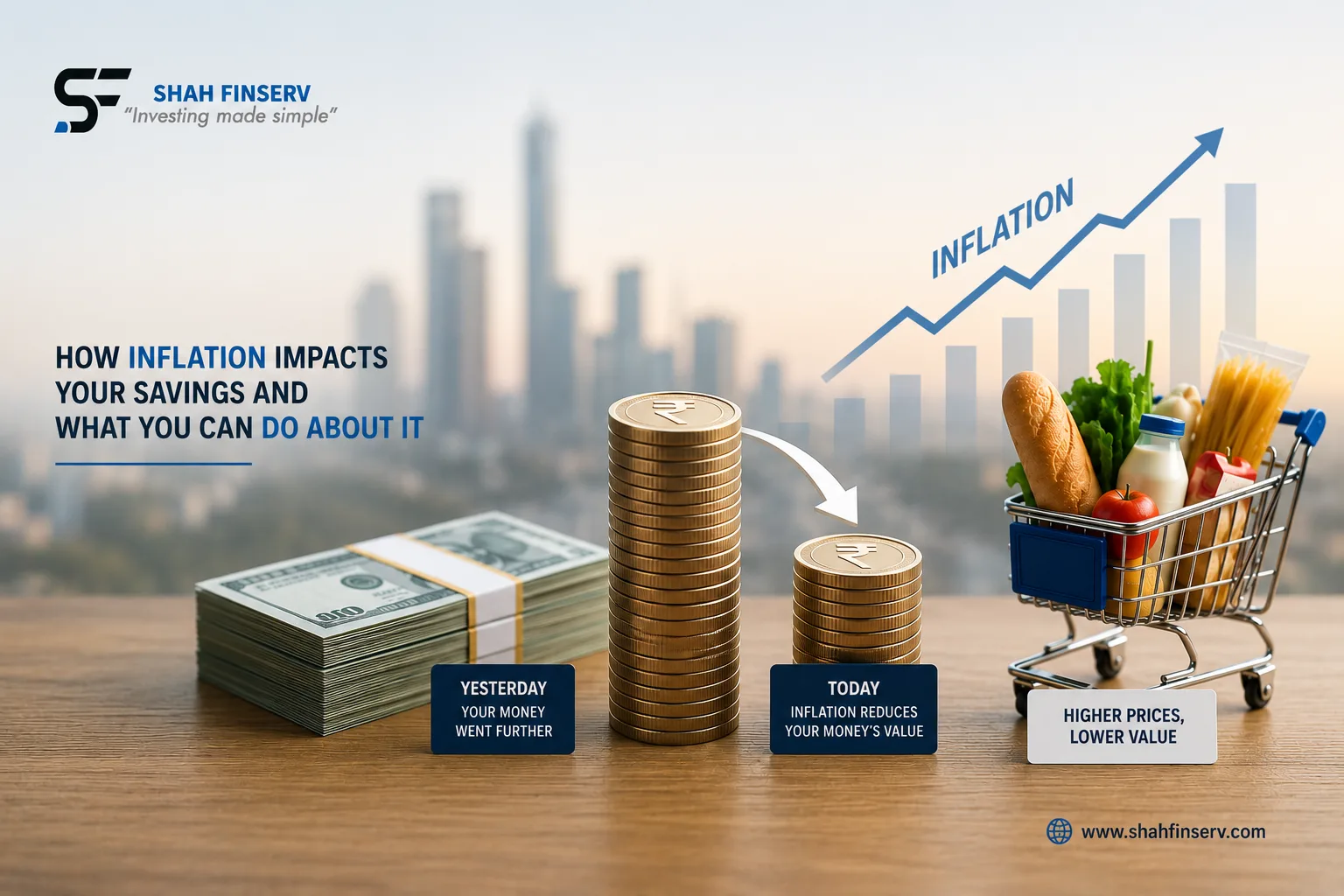
Inflation is one of the most significant economic factors affecting personal finances, business cash reserves, and long-term wealth creation. While many individuals and organizations focus on earning returns from savings and investments, fewer consider how inflation gradually reduces the purchasing power of money over time.
For professionals such as engineers, procurement managers, project managers, plant managers, industrial buyers, and business owners, understanding the relationship between inflation and investments is critical for effective financial planning. Whether managing personal wealth, maintaining emergency reserves, or overseeing corporate cash flow, inflation can directly impact financial stability and future purchasing power.
This article explains how inflation affects savings, explores the connection between inflation and investments, and outlines practical strategies to protect wealth and achieve sustainable financial growth.
What Is Inflation and Investments?
Inflation and investments refer to the relationship between rising prices in the economy and the assets individuals or organizations use to preserve and grow their wealth. Investments are often selected to generate returns that exceed inflation and maintain purchasing power over time.
Inflation occurs when the general price level of goods and services increases. As prices rise, each unit of currency buys fewer goods and services.
Investments help counter this effect by generating returns that may outpace inflation, enabling investors to preserve or increase their real wealth.
How Does Inflation and Investments Work?
Inflation reduces the purchasing power of money, while investments aim to generate returns that offset inflation. The goal is to achieve positive inflation adjusted returns and maintain a favorable real return on investment.
For example:
-
A savings account earns 4% annually.
-
Inflation rises by 6% annually.
Although the account balance grows, the purchasing power of the money decreases because inflation exceeds the return earned.
This is why financial planners focus on the real return on investment, which represents actual growth after accounting for inflation.
Understanding the Inflation Impact on Savings
One of the most overlooked financial risks is the inflation impact on savings.
Many people believe that keeping money in a bank account guarantees financial security. While savings accounts provide liquidity and safety, they may not generate sufficient returns to keep pace with inflation.
Example
Suppose an individual saves ₹10,00,000 in a low-interest account earning 3% annually.
If inflation averages 6%:
-
Savings growth: 3%
-
Inflation rate: 6%
-
Real purchasing power decline: approximately 3%
Over several years, this difference can significantly reduce the value of accumulated savings.
For businesses, the impact can be even greater because operational costs, raw materials, transportation expenses, and energy costs often increase during inflationary periods.
Key Features and Benefits of Inflation-Aware Financial Planning
Understanding inflation and investments helps both individuals and organizations make informed financial decisions.
Preserves Purchasing Power
Investments designed to outperform inflation help maintain the value of accumulated wealth.
Supports Long-Term Financial Goals
Inflation-aware strategies help investors stay on track toward retirement, business expansion, and capital preservation objectives.
Improves Risk Management
Organizations can better prepare for economic uncertainty by considering inflation in their financial planning processes.
Enhances Cash Flow Planning
Businesses that account for inflation can forecast future expenses more accurately.
Encourages Smarter Investment Decisions
Understanding inflation adjusted returns helps investors compare opportunities more effectively.
What Are Inflation Adjusted Returns?
Inflation adjusted returns represent the actual return earned after subtracting the inflation rate from the investment return.
For example:
-
Investment return: 10%
-
Inflation rate: 5%
The inflation adjusted return equals approximately 5%.
This metric provides a more accurate picture of wealth creation than nominal returns alone.
Investors who focus only on advertised returns may overlook the impact inflation has on their long-term financial outcomes.
How Inflation Affects Investments
Different asset classes respond differently to inflation.
Equities
Stocks often have the potential to outperform inflation over long periods because companies can increase prices and maintain profitability.
Mutual Funds
Diversified mutual funds can provide exposure to growth-oriented assets capable of generating inflation-beating returns.
Fixed Deposits
Fixed deposits offer stability but may struggle to deliver positive real returns during periods of high inflation.
Gold
Gold is frequently considered a hedge against inflation because it tends to retain value during economic uncertainty.
Government Securities
Inflation-linked bonds and government-backed instruments can help preserve purchasing power while maintaining lower risk profiles.
Best Investments During Inflation
The best investments during inflation are typically assets capable of generating returns that exceed the inflation rate while balancing risk and liquidity requirements.
Common options include:
-
Equity mutual funds
-
Index funds
-
Inflation-indexed bonds
-
Gold ETFs
-
Real Estate Investment Trusts (REITs)
-
Dividend-paying stocks
Investment selection should always align with financial objectives, risk tolerance, and investment horizon.
How to Beat Inflation in India
Inflation affects both households and businesses throughout India. Fortunately, several strategies can help investors maintain purchasing power.
Diversify Investments
A diversified portfolio reduces concentration risk and improves resilience across economic cycles.
Focus on Long-Term Growth
Historically, growth-oriented assets have outperformed inflation over extended periods.
Monitor Inflation Trends
Regularly reviewing economic conditions can support more informed financial decisions.
Maintain an Emergency Fund
Emergency reserves provide financial flexibility without requiring investors to liquidate long-term investments.
Evaluate Real Returns
Investors should focus on the real return on investment rather than nominal returns when comparing opportunities.
How It Improves Industrial Performance
Inflation-aware financial planning offers significant advantages for industrial organizations.
Better Working Capital Management
Companies can manage liquidity more effectively while protecting reserve funds from purchasing power erosion.
Improved Project Budgeting
Project managers can account for inflation-driven cost increases when estimating future expenditures.
Stronger Procurement Strategies
Procurement teams can better forecast supplier pricing changes and inventory costs.
Enhanced Business Continuity
Emergency reserves combined with inflation-conscious investment strategies improve organizational resilience.
Applications Across Industries
Manufacturing
Manufacturers rely on inflation-aware planning to manage raw material cost fluctuations and maintain operational stability.
Construction
Construction firms face rising labor and material costs that require careful financial forecasting.
Engineering
Engineering organizations benefit from preserving capital while managing long project cycles.
Energy and Utilities
Infrastructure-intensive industries must account for inflation when budgeting maintenance and expansion activities.
Healthcare
Healthcare providers often experience increasing operational costs, making inflation management essential for financial sustainability.
Factors to Consider Before Selection
When evaluating investments intended to offset inflation, consider the following:
Liquidity Requirements
Emergency funds should remain easily accessible.
Risk Tolerance
Higher returns typically involve higher levels of risk.
Investment Horizon
Short-term and long-term objectives require different strategies.
Tax Efficiency
After-tax returns can significantly impact overall performance.
Inflation Expectations
Projected inflation rates should influence investment decisions and portfolio construction.
Common Mistakes to Avoid
Ignoring Inflation
Many investors underestimate how inflation affects investments and savings over time.
Holding Excessive Cash
Large cash balances may lose purchasing power if returns fail to keep pace with inflation.
Chasing Short-Term Trends
Investment decisions should align with long-term objectives rather than market speculation.
Focusing Only on Nominal Returns
Investors should always evaluate inflation adjusted returns.
Lack of Diversification
Concentrated portfolios may be more vulnerable to economic changes.
Why Industries Prefer Inflation and Investments Strategies
Organizations increasingly incorporate inflation and investments planning into broader financial management strategies because it helps:
-
Preserve working capital
-
Protect cash reserves
-
Improve financial forecasting
-
Support long-term growth
-
Enhance business resilience
By understanding inflation's impact on purchasing power, businesses can make more informed decisions regarding capital allocation and risk management.
Why Choose Brand Name?
Brand Name supports businesses and investors with reliable financial insights and practical guidance for navigating changing economic conditions.
Key strengths include:
-
Industry expertise across diverse sectors
-
Commitment to quality and accuracy
-
Customized solutions and planning support
-
Strong technical knowledge
-
Reliable information and resources
-
Consistent performance-focused guidance
-
Customer-focused approach to financial education
Brand Name prioritizes informed decision-making and long-term value creation rather than short-term financial speculation.
Conclusion
Inflation can significantly reduce the value of savings if investors fail to account for its long-term effects. Understanding the relationship between inflation and investments is essential for preserving purchasing power, improving financial resilience, and achieving sustainable wealth creation.
By focusing on inflation adjusted returns, evaluating the real return on investment, selecting the best investments during inflation, and implementing strategies to protect savings from inflation, individuals and organizations can better navigate economic uncertainty.
Whether managing personal finances or overseeing industrial operations, inflation-aware financial planning remains a critical component of long-term success.
Latest Blog

-
September 15, 2025

How Life Insurance Secures Your Family's Future in Dadra?
We Deals In