
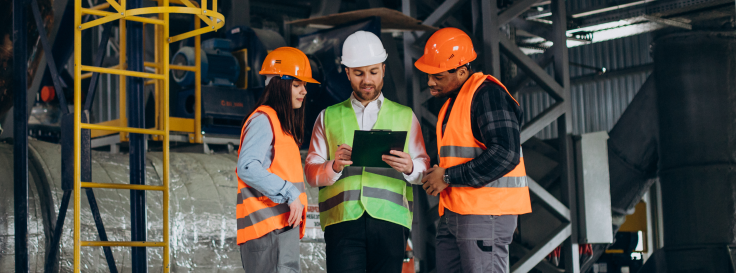
Factory Insurance is a specialized commercial insurance solution designed to protect manufacturing facilities, industrial plants, warehouses, machinery, inventory, and business operations against financial losses caused by fire, natural disasters, theft, equipment damage, and other insured risks. Manufacturing businesses operate with significant investments in infrastructure, production equipment, raw materials, and finished goods, making comprehensive insurance an essential part of operational risk management.
At Shah Finserv, we help manufacturers, SME owners, industrial businesses, and factory operators select suitable Factory Insurance solutions based on their operations, asset values, industry-specific risks, and regulatory requirements. Whether you are exploring factory insurance companies in India, evaluating factory fire insurance, or seeking insurance for commercial factory in India, the right policy helps protect business continuity and financial stability.
What is Factory Insurance?
Factory Insurance is a commercial insurance policy that provides financial protection for factories and manufacturing facilities against covered risks such as fire, explosions, natural calamities, machinery damage, theft, business interruption, and third-party liabilities. Coverage can be customized based on the factory's operations, assets, machinery, inventory, and risk exposure, helping businesses recover from unexpected losses.
Why Factory Insurance Matters
Manufacturing facilities face multiple operational risks, including fire, equipment breakdowns, electrical failures, natural disasters, theft, workplace accidents, and supply chain disruptions. These events can result in costly repairs, production delays, revenue loss, and contractual obligations.
Factory Insurance helps businesses manage these risks through comprehensive financial protection.
Key business benefits include:
-
Protection for factory buildings and infrastructure
-
Coverage for machinery and production equipment
-
Financial support following fire or insured disasters
-
Inventory and raw material protection
-
Reduced financial impact of operational disruptions
-
Improved business continuity planning
-
Enhanced lender and stakeholder confidence
-
Support for long-term risk management
For manufacturers, insurance of factory assets is an important component of sustainable business operations.
Service Overview
|
Specification |
Details |
|
Service Name |
Factory Insurance |
|
Service Type |
Commercial Property and Industrial Risk Insurance |
|
Material |
Financial Insurance Contract |
|
Key Features |
Property Protection, Machinery Coverage, Fire Insurance, Business Interruption Cover, Liability Protection |
|
Industries Served |
Manufacturing, Construction, Infrastructure, Transportation, Energy, Agriculture |
|
Applications |
Asset Protection, Fire Protection, Equipment Coverage, Warehouse Insurance, Operational Risk Management |
|
Available Options |
Factory Fire Insurance, Factory and Warehouse Insurance, Machinery Insurance, Business Interruption Insurance, Liability Insurance |
|
Provider |
Shah Finserv |
Key Features and Benefits
Factory Building Protection
What it does: Covers insured losses involving factory buildings and permanent structures due to covered events.
Why it matters: Manufacturing facilities represent significant long-term capital investments.
Real-world benefit: Reduces financial burden associated with rebuilding or repairing factory premises.
Machinery and Equipment Coverage
What it does: Provides insurance protection for production machinery, industrial equipment, and manufacturing systems against covered risks.
Why it matters: Equipment failures can interrupt production and create substantial replacement costs.
Real-world benefit: Supports faster operational recovery following insured incidents.
Factory Fire Insurance
What it does: Covers eligible losses caused by fire, smoke damage, and related insured perils, subject to policy terms.
Why it matters: Fire remains one of the most significant risks in manufacturing environments.
Real-world benefit: Helps businesses recover from major fire-related financial losses.
Inventory Protection
What it does: Protects raw materials, work-in-progress, and finished goods against covered losses.
Why it matters: Inventory represents a significant portion of manufacturing capital.
Real-world benefit: Helps maintain financial stability after unexpected events.
Business Interruption Coverage
What it does: Provides financial support for income loss and ongoing operating expenses resulting from covered disruptions.
Why it matters: Production stoppages can significantly affect profitability.
Real-world benefit: Supports business continuity while operations are restored.
Warehouse Coverage
What it does: Extends protection to warehouses storing raw materials, finished products, and inventory.
Why it matters: Warehouses face risks such as fire, theft, and natural disasters.
Real-world benefit: Protects valuable inventory throughout the supply chain.
Liability Protection
What it does: Covers eligible third-party liability claims arising from insured business operations.
Why it matters: Manufacturing businesses may face legal liabilities involving customers, suppliers, or visitors.
Real-world benefit: Helps manage unexpected legal and compensation expenses.
Customizable Coverage Options
What it does: Allows businesses to tailor coverage according to industry, production capacity, machinery value, and operational risks.
Why it matters: Every manufacturing facility has unique insurance requirements.
Real-world benefit: Ensures relevant protection while avoiding unnecessary coverage.
Applications of Factory Insurance
Industrial Applications
Manufacturing plants use Factory Insurance to protect production facilities, machinery, inventory, and business operations.
Benefits
-
Asset protection
-
Operational continuity
-
Financial risk reduction
Common Use Cases
-
Heavy manufacturing plants
-
Engineering factories
-
Industrial production facilities
Commercial Applications
Commercial manufacturers use insurance to protect facilities, warehouses, and finished goods throughout production and storage.
Benefits
-
Capital protection
-
Inventory security
-
Business continuity
Common Use Cases
-
Consumer goods manufacturing
-
Food processing units
-
Textile factories
Infrastructure Applications
Infrastructure manufacturers use Factory Insurance to safeguard equipment, fabrication facilities, and construction material production.
Benefits
-
Equipment protection
-
Project continuity
-
Financial resilience
Common Use Cases
-
Steel fabrication plants
-
Cement manufacturing
-
Infrastructure component production
Specialized Applications
Factories with specialized operations require customized insurance solutions for complex production environments.
Benefits
-
Industry-specific protection
-
Enhanced operational security
-
Risk management support
Common Use Cases
-
Chemical manufacturing
-
Pharmaceutical plants
-
Electronics manufacturing
-
Automotive production
Industries Served
Manufacturing
Manufacturing businesses rely on Factory Insurance to protect buildings, machinery, production assets, and inventory from operational risks.
Construction
Construction material manufacturers insure production plants, heavy machinery, and storage facilities to reduce financial exposure.
Infrastructure
Infrastructure product manufacturers protect fabrication units, equipment, and inventories supporting large-scale development projects.
Transportation
Vehicle component manufacturers and logistics warehouses use Factory Insurance to protect production and storage operations.
Energy
Energy equipment manufacturers insure specialized production facilities, machinery, and industrial assets.
Agriculture
Agricultural processing units and food manufacturing facilities use Factory Insurance to protect production infrastructure and inventory.
Technical Considerations
Selecting the appropriate Factory Insurance policy requires evaluating several operational and financial factors.
Key considerations include:
-
Factory location and environmental risks
-
Building replacement value
-
Machinery and equipment valuation
-
Inventory value and storage conditions
-
Fire safety systems
-
Business interruption exposure
-
Liability risks
-
Security infrastructure
-
Deductibles and coverage limits
-
Policy exclusions and endorsements
Periodic policy reviews are recommended following facility expansion, equipment upgrades, increased production capacity, or changes in inventory values.
Comparison: Factory Insurance vs Alternative Risk Management Approaches
|
Feature |
Factory Insurance |
Self-Insured Reserves |
Limited Property Insurance |
|
Primary Purpose |
Comprehensive Industrial Risk Protection |
Internal Financial Reserve |
Basic Property Coverage |
|
Cost Efficiency |
High for Risk Management |
Depends on Available Capital |
Lower Initial Cost |
|
Performance |
Broad Financial Protection |
Limited by Reserve Size |
Restricted Coverage |
|
Maintenance |
Annual Policy Review |
Continuous Capital Allocation |
Periodic Review |
|
Lifespan |
Renewable Coverage |
Ongoing |
Renewable |
|
Suitability |
Manufacturing & Industrial Businesses |
Large Capitalized Firms |
Small Property Risks |
Expert Insight
Insurance professionals recommend evaluating Factory Insurance based on operational risks rather than premium alone. Effective coverage requires accurate valuation of buildings, machinery, inventory, and production assets, along with consideration of fire hazards, business interruption exposure, and liability risks.
Common mistakes include underinsuring factory assets, overlooking machinery replacement costs, ignoring business interruption coverage, failing to update policies after expansion, and not reviewing inventory valuations regularly.
Industry best practices include conducting periodic risk assessments, maintaining fire protection systems, documenting asset values, implementing preventive maintenance programs, and reviewing insurance coverage annually to reflect operational growth.
Businesses comparing factory insurance companies in India should evaluate coverage scope, claim servicing, industry expertise, and policy flexibility alongside pricing.
Why Choose Shah Finserv
Shah Finserv provides tailored Factory Insurance solutions designed to help manufacturing businesses manage operational risks with confidence.
Clients choose Shah Finserv for:
-
Expertise in industrial and commercial insurance solutions
-
Personalized risk assessment and coverage recommendations
-
Guidance on factory fire, machinery, and warehouse insurance
-
Support in evaluating comprehensive factory insurance options
-
Customer-focused advisory services
-
Assistance with policy reviews and coverage optimization
-
Long-term risk management support for growing businesses
Whether you require factory and warehouse insurance, insurance for commercial factory in India, or comprehensive protection for manufacturing assets, Shah Finserv helps you identify insurance solutions aligned with your operational needs and financial objectives.
Conclusion
Factory Insurance is an essential risk management solution for manufacturing businesses seeking to protect their facilities, machinery, inventory, and financial stability from unexpected events. By combining property protection, machinery coverage, factory fire insurance, warehouse protection, business interruption coverage, and liability insurance, it helps businesses reduce financial exposure and maintain operational continuity.
From small manufacturing units to large industrial facilities, comprehensive Factory Insurance supports business resilience, stakeholder confidence, and sustainable growth. Shah Finserv provides expert guidance, customized insurance solutions, and ongoing advisory support to help businesses secure the protection they need for long-term operational success.
Benefits
Factory insurance provides coverage for damage or loss to the physical property of your manufacturing facility. This can include protection for the building itself, machinery, equipment, inventory, and raw materials. If a fire, natural disaster, theft, or vandalism occurs, factory insurance can help cover the cost of repairs or replacement, minimizing financial losses.