

Parents spend years looking after their children and making sure the family has what it needs. But as they grow older, their own financial security becomes just as important.
Think about a family where the father is retired but still pays some household expenses, or where the mother depends on the income or pension of her spouse. If something unexpected happens, the family may suddenly have to manage expenses they were not prepared for.
This is one reason families consider life insurance for parents. The right policy can provide financial assistance to the nominee after the insured parent’s death. However, buying a policy at an older age requires careful thought. Age limits, health conditions and premiums can all affect the options available.
So, what should you know before choosing a policy? Let's take a closer look.
Why Financial Protection for Parents Matters
Retirement does not always mean that financial responsibilities come to an end. Parents may still have household bills, loan repayments or family members who depend on them.
For example, a retired parent may receive a pension that helps pay for groceries, electricity bills and other daily expenses. If that income stops, the remaining family members may need to use their savings to manage the same costs.
Planning ahead can make such situations easier to handle. This does not mean every parent needs a new insurance policy. It means families should review their existing savings, insurance cover, income and responsibilities before deciding what protection is needed.
Why Is Life Insurance Important for Parents and Their Financial Security?
Life insurance is mainly designed to provide a financial benefit to the nominee when the insured person passes away, subject to the policy terms.
This can be helpful when a parent still earns an income or has family members who depend on them financially. The payout may help the family manage everyday expenses, repay outstanding loans or meet other important financial commitments.
Consider a simple example. A parent has a home loan and a spouse who depends partly on their income. If the parent passes away while the loan is still outstanding, the family may face both the loss of income and the responsibility of repaying the loan. Life insurance proceeds, if available under the policy, may help reduce that burden.
However, life insurance is not the answer to every financial concern. It does not replace health insurance, which is designed to cover eligible medical expenses. Families should consider both types of protection based on their needs.
What Are the Different Types of Life Insurance Policies Available for Parents?
There is more than one type of life insurance policy. Understanding the basic differences can help you decide which options are worth exploring for your parents.
Term Life Insurance
Term insurance provides life cover for a selected period. If the insured person passes away during that period, the nominee receives the death benefit, subject to the policy conditions. Most pure term plans do not return the premiums if the policyholder survives the term.
Whole Life Insurance
Whole life insurance provides long-duration cover, often up to a specified age. The coverage period, premium structure and benefits depend on the insurer and the chosen plan.
Endowment Plans
An endowment plan combines life cover with a savings component. Depending on its terms, it may pay a maturity benefit if the policyholder survives until the end of the policy term.
Money-Back Plans
These plans provide life cover and may pay portions of the benefit at specific intervals during the policy term. The payout schedule and final benefits vary between policies.
Unit-Linked Insurance Plans (ULIPs)
ULIPs combine life insurance with market-linked investment. A portion of the premium is allocated to investment funds, and the value can rise or fall with market performance. The investment risk is generally borne by the policyholder.
Not all these plans will be available to older applicants. Before comparing benefits, check the insurer's entry-age limits and eligibility requirements.
What Are the Benefits of Buying Life Insurance for Elderly Parents in India?
A life insurance policy may be useful when an elderly parent still has financial dependants or outstanding responsibilities. The actual benefit depends on the policy selected and the insurer's terms.
Here are a few situations where it may help:
-
When a spouse depends on the parent: The payout may help the surviving spouse manage regular household expenses.
-
When loans are still outstanding: The nominee may use the claim amount to repay eligible financial liabilities.
-
When children still depend on parental income: The benefit may help the family manage expenses during a difficult period.
-
When a savings-oriented policy is selected: Certain plans offer maturity benefits, provided the policy conditions are met.
There are also some practical limitations to consider. Premiums are often higher when a person buys life insurance at an older age. Some insurers may require medical tests, and certain health conditions can affect the application. Maximum entry ages and available policy terms also differ.
That is why families should not assume that every senior citizen can get the same coverage or benefits.
How to Compare Term Life Insurance Options for Parents?
If term insurance is being considered, avoid choosing a plan simply because its premium looks affordable. First, check whether the policy actually meets your parents' needs and whether they are eligible.
Use the following points while comparing plans:
|
What to Compare |
Why It Matters |
|
Entry age |
Some insurers have limits on the age at which a person can apply. |
|
Premium |
The amount should be affordable without affecting other household expenses. |
|
Sum assured |
Check whether the cover is enough for the financial responsibilities involved. |
|
Policy term |
Understand how long the insurance protection will continue. |
|
Medical requirements |
Find out whether medical tests or additional health information are needed. |
|
Exclusions |
Read the conditions under which a claim may not be payable. |
|
Claim process |
Understand the documents and steps required by the insurer. |
It is also worth comparing the policy wording, not just the figures shown in a premium quotation. Two plans may look similar at first but have different conditions.
What Should You Check Before Buying a Life Insurance Policy for Parents?
Before applying for a life insurance policy for parents, sit down with them and understand their current financial situation. A policy should address a real need rather than become another expense for the family.
Start with their age and health. Check whether they meet the insurer's entry requirements and whether any medical examination is necessary. If they have existing health conditions or take regular medication, disclose this information accurately in the application.
Next, look at the premium. Ask yourself whether your parents can comfortably afford it throughout the policy term. Missing premiums can affect the policy, so affordability matters just as much as the coverage amount.
You should also check what the policy actually offers. Does it provide only a death benefit, or does it include a maturity benefit? Are there exclusions or special conditions? Who will receive the claim amount? Make sure the nominee details are correct.
One more thing worth considering is whether your parents already have enough coverage. Buying another policy without reviewing the existing one may lead to unnecessary expenses.
You can learn about other common coverage-related mistakes in our guide, Common Life Insurance Mistakes That Can Leave Your Family Underinsured.
How to Choose the Right Life Insurance Plan for Your Parents' Long-Term Financial Security?
Choosing a policy becomes easier when you start with your parents' actual needs instead of looking at plans first.
Here is a practical way to approach the decision:
Step 1: Understand their financial responsibilities. Find out whether they have loans, dependants or regular expenses that need financial support.
Step 2: Check their existing policies. They may already have life insurance through an individual policy or another arrangement. Review the coverage before buying anything new.
Step 3: Compare suitable options. Shortlist plans for which your parents are eligible. Compare premiums, coverage, policy duration and benefits.
Step 4: Read the documents carefully. Do not rely only on what is mentioned in an advertisement or sales discussion. Check the policy wording, exclusions and claim conditions.
Step 5: Make sure the decision is affordable. A policy should fit comfortably into the family's budget. It should not affect money needed for regular expenses, healthcare or retirement.
Remember that insurance needs are not fixed forever. Marriage, retirement, a home loan or a change in family income can all affect how much coverage a person needs. Our article on 5 Life Events That Should Make You Review Your Life Insurance Policy explains when it may be time to review existing coverage.
Conclusion
Choosing life insurance for parents is not just about finding a policy with a high sum assured or a low premium. It is about understanding what your parents need, what they can afford and what coverage they are eligible for.
For some families, an existing policy and adequate savings may already provide enough protection. Others may need to explore additional cover. The important thing is to compare options carefully and understand the terms before making a commitment.
Along with life insurance, remember to consider health coverage, retirement income and emergency savings. Together, these can help your parents and the wider family prepare better for the years ahead.
If you need help understanding insurance options, Shah Finserv can help you explore the available choices and make a decision based on your family's requirements.
Related Blogs
-
November 03, 2026

Financial Planning for Self-Employed Professionals in Gujarat
-
October 27, 2026
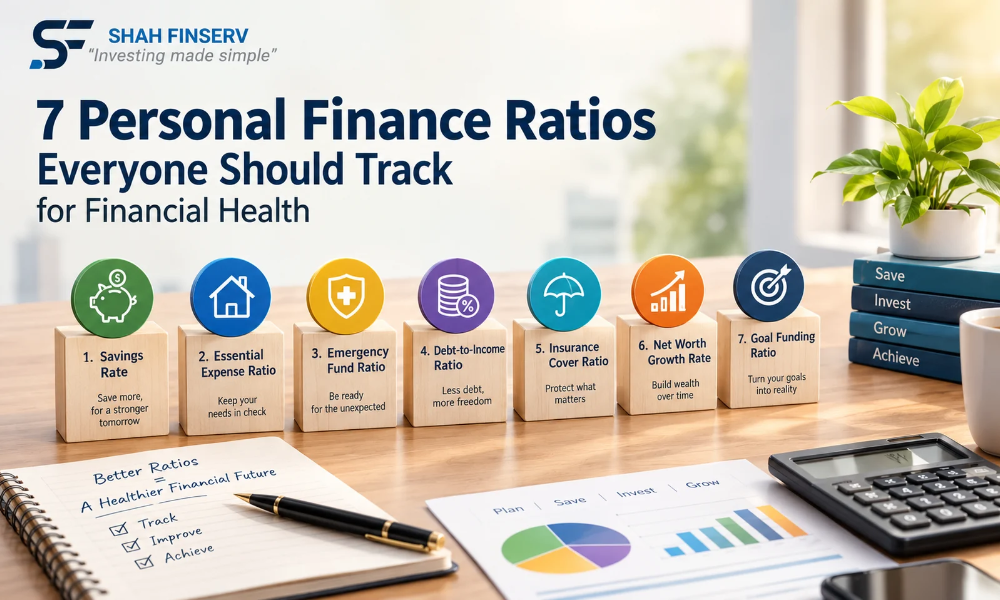
7 Personal Finance Ratios Everyone Should Track for Financial Health
-
October 16, 2026

Creating Multiple Income Streams for Long-Term Financial Security
We Deals In
















Frequently Asked Questions
Yes, some insurers offer life insurance to older applicants. However, the available options depend on the person's age, health, medical history and the insurer's eligibility rules.
There is no one policy that is right for every senior citizen. The choice depends on whether the person has financial dependents, outstanding loans, existing coverage and the ability to pay premiums.
Generally, no. Life insurance primarily provides a death benefit. Health insurance is designed to cover eligible hospitalisation and medical expenses according to the policy terms.
No. Pure term insurance plans generally do not offer a maturity payout. Some endowment and money-back plans may provide maturity benefits if the policyholder meets the required conditions.
Many insurers allow eligible applicants to apply online. Before completing the application, compare the available plans, disclose health information accurately and read the policy documents carefully.